Medical Imaging Radiation Knowledge Lacking Among Patients
Medical Imaging Radiation Knowledge Lacking Among Patients
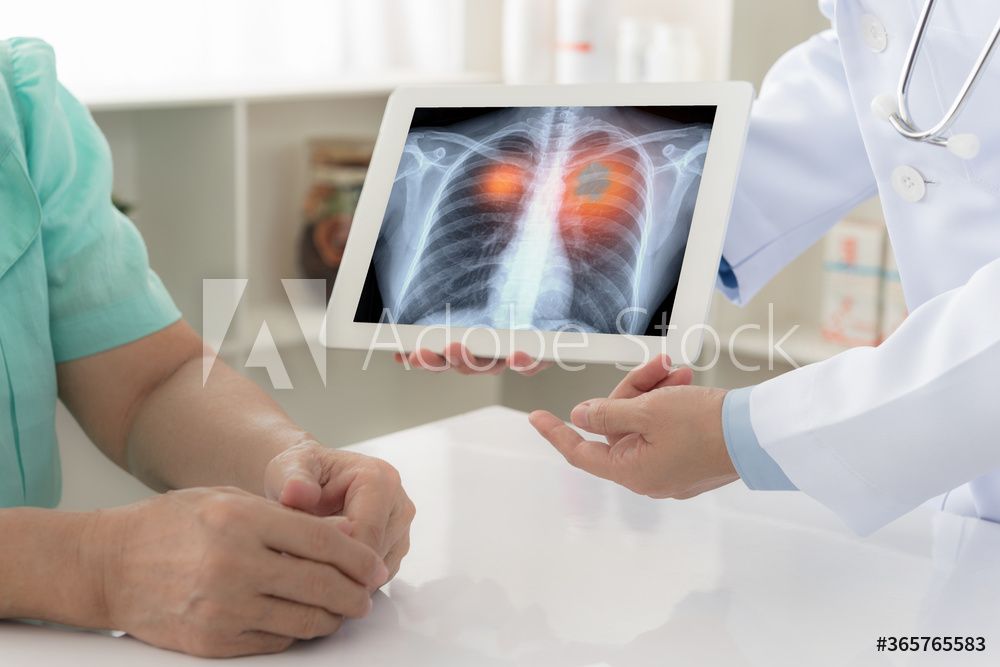
Most patients who have had one or more imaging services in the past have felt their information about radiation risk was lacking. More than half—55.1%— did not know that chest CT delivers more radiation than a chest x-ray, according to a study published in JAMA Open Network.
“In this survey study among 2866 patients undergoing radiological examinations in Italian hospitals, a substantial proportion of respondents perceived their medical radiation knowledge as inadequate and had misconceptions about basic aspects of radiation protection. Better knowledge was associated with receiving such information from medical staff and having a higher educational level,” wrote lead author Luca Bastiani, Ph. D., from the Italian National Research Council in Pisa.
The team’s results: “Among 3039 patients invited to participate, the response rate was 94.3% (n = 2866). Participants included 1531 women (53.4%); mean (SD) age was 44.9 (17.3) years. Of the 2866 participants, 1529 (53.3%) were aware of the existence of natural sources of ionizing radiation. Mammography (1101 [38.4%]) and magnetic resonance imaging (1231 [43.0%]) were categorized as radiation-based imaging modalities. More than half of the 2866 patients (1579 [55.1%]; P = .03) did not know that chest computed tomography delivers a larger dose of radiation than chest radiography, and only 1499 (52.3%) knew that radiation can be emitted after nuclear medicine examinations (P = .004). A total of 667 patients (23.3%) believed that radiation risks were unrelated to age, 1273 (44.4%) deemed their knowledge about radiation risks inadequate, and 2305 (80.4%) preferred to be informed about radiation risks by medical staff. A better knowledge of radiation issues was associated with receiving information from health care professionals (odds ratio [OR], 1.71; 95% CI, 1.43-2.03; P < .001) and having a higher educational level (intermediate vs low: OR, 1.48; 95% CI, 1.17-1.88; P < .001; high vs low: OR, 2.68; 95% CI, 2.09-3.43; P < .001).”
“The findings of our survey suggest a substantial lack of knowledge about medical radiation among Italian patients. This scenario calls for improved communication between medical staff and patients to provide them with adequate awareness about medical radiation and the risks related to cumulative radiation exposure,” concluded the authors.
Sources:
Bastiani L, Paolicchi F, Faggioni L, et al. Patient Perceptions and Knowledge of Ionizing Radiation From Medical Imaging. JAMA Netw Open. 2021;4(10):e2128561. doi:10.1001/jamanetworkopen.2021.28561. Available online October 13, 2021, at https://jamanetwork.com/journals/jamanetworkopen/fullarticle/2784919. Accessed October 31, 2021.
Allegretto, Amerigo. Patients lack knowledge on radiation in medical imaging. AuntMinnie.com October 13, 2021, at https://www.auntminnie.com/index.aspx?sec=sup&sub=cto&pag=dis&ItemID=133758. Accessed October 31, 2021.
The post Medical Imaging Radiation Knowledge Lacking Among Patients appeared first on Pulse ISM.